Offshore Fishing in St. Augustine, FL: Targeting Mahi and Cobia
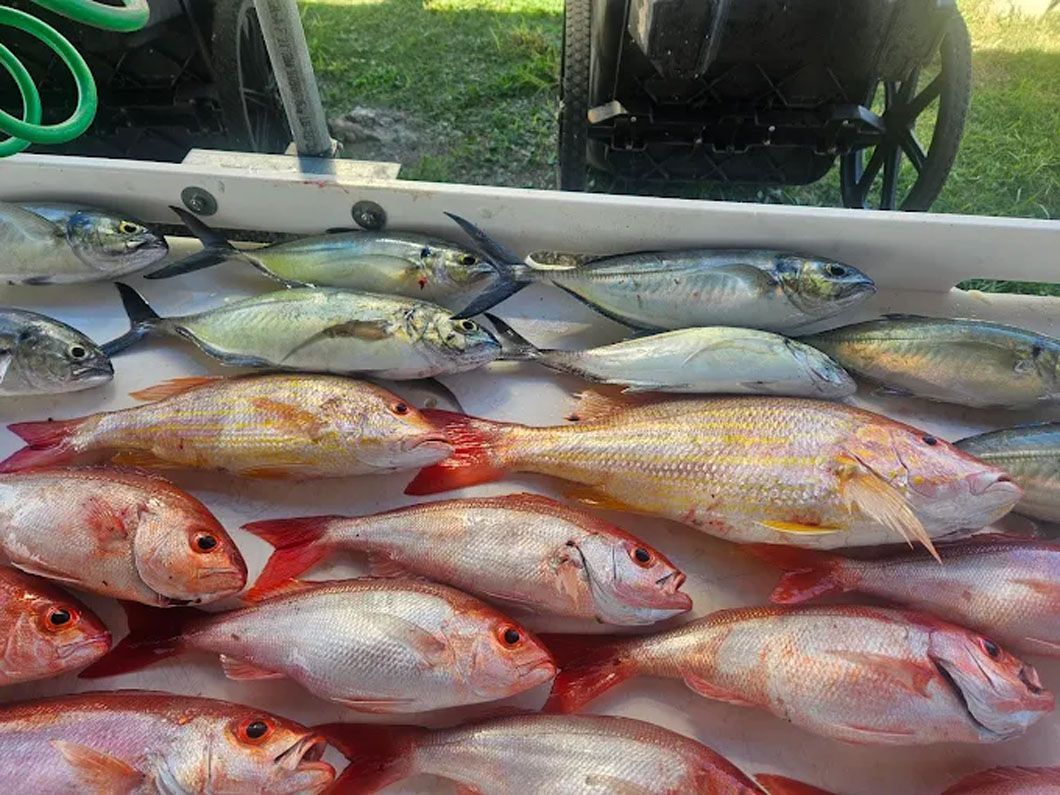
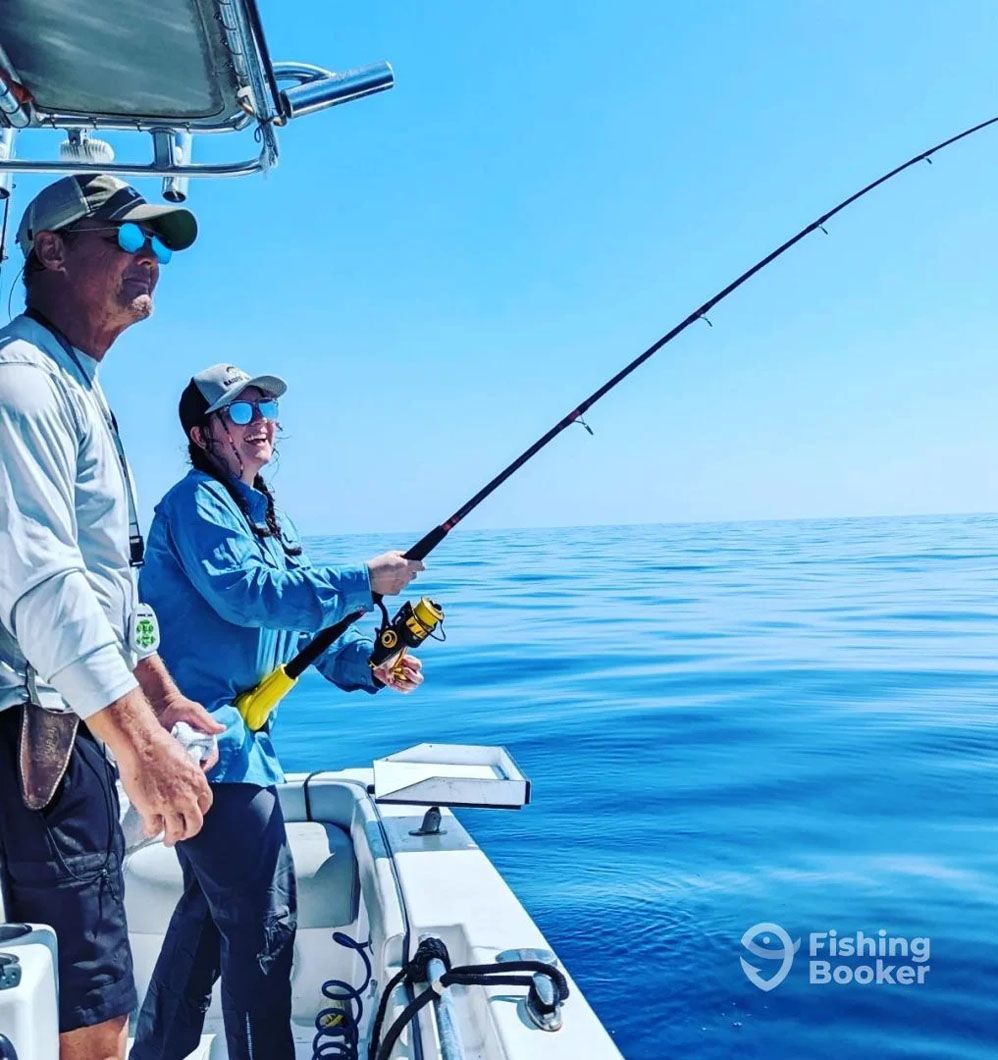
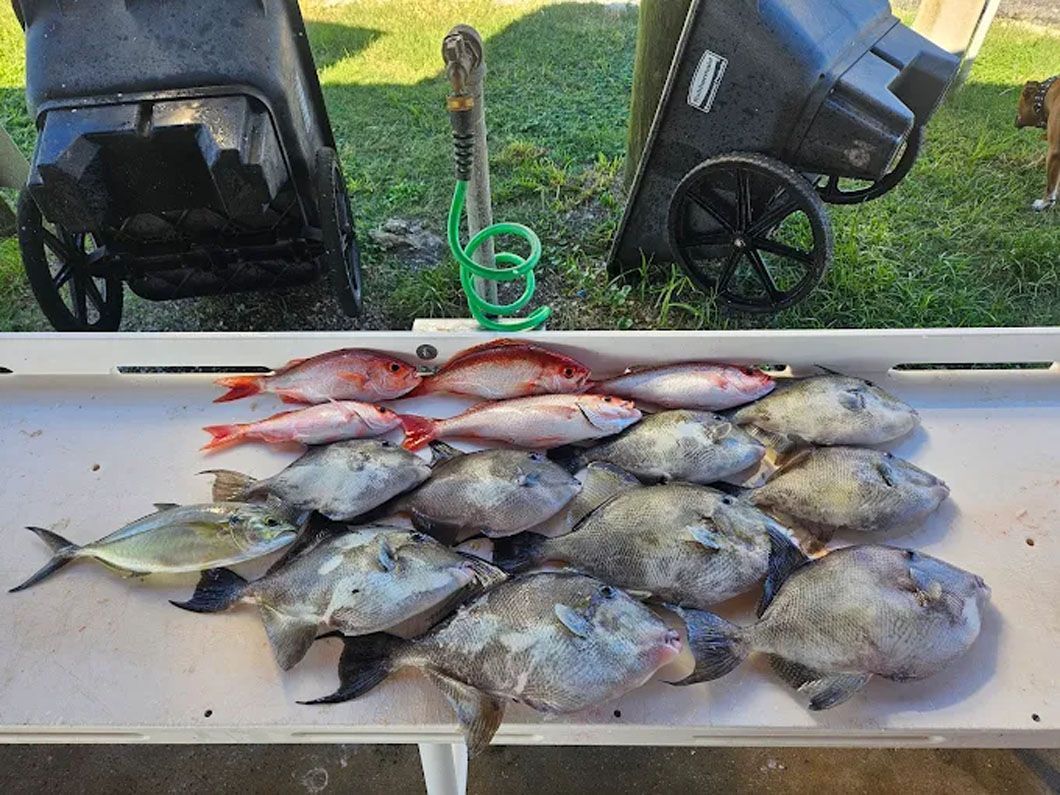
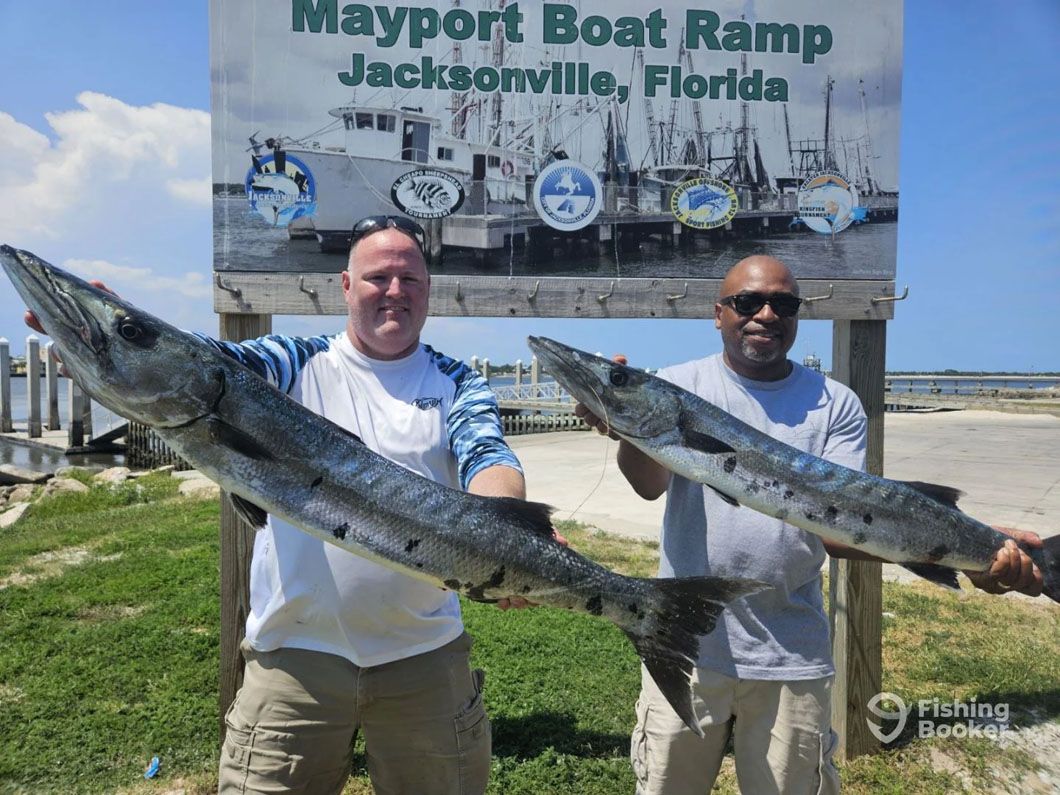
Offshore fishing in St. Augustine, FL targets Mahi Mahi and Cobia in Atlantic waters using trolling and live bait techniques with professional captains who provide complete equipment and expert guidance.
When is the best season for Mahi Mahi offshore?
Mahi Mahi are most abundant in St. Augustine offshore waters from late spring through early fall when water temperatures rise above 75 degrees and weed lines form.
These fish migrate north along the Gulf Stream as water warms. They gather around floating debris, sargassum weed, and temperature breaks. Trolling artificial lures or rigged ballyhoo along these features produces strikes.
Mahi are aggressive feeders and often travel in schools. Once you hook one, others may follow the hooked fish to the boat. That creates opportunities for multiple hookups if you keep additional baits in the water. Peak action occurs during summer months when schools are largest.
How do you locate Cobia during migration?
Cobia are located by watching for surface activity near buoys, wrecks, and rays as they migrate along the coast during spring and fall transition periods.
These fish swim alone or in small groups and often follow rays and sharks. You spot them by scanning the surface for dark shadows or dorsal fins. Once located, you cast live bait or jigs directly to the fish.
Cobia respond well to sight casting when conditions are calm and visibility is good. They are powerful fighters that test your tackle and technique. Guides know the seasonal routes and timing of migrations through St. Augustine waters. That local knowledge increases your chances of intercepting them during their narrow window of availability.
For inshore alternatives when offshore conditions are rough, charter fishing services in St. Augustine offer protected water options targeting species like Redfish and Seatrout.
What offshore equipment is provided on deep sea charters?
Offshore charters provide heavy-duty rods, conventional reels, trolling lures, live bait, rigging supplies, gaffs, and all terminal tackle suited for pelagic species in Atlantic waters.
Rods and reels are matched to the target species and fishing method. Trolling setups use heavier line and larger lures for Mahi and Wahoo. Live bait rods are rigged for Cobia and King Mackerel. All equipment is maintained and ready to fish.
Safety gear including life jackets, flares, radios, and first aid supplies are also aboard. You do not need to bring anything except sunscreen, drinks, and snacks. The full-service approach lets you focus entirely on the fishing experience.
How does St. Augustine's Gulf Stream proximity affect offshore fishing?
St. Augustine sits close to the western edge of the Gulf Stream, where warm current meets cooler coastal water and creates productive temperature breaks that concentrate baitfish and predators.
The Gulf Stream carries nutrient-rich water and floating debris that attracts Mahi, Wahoo, and Sailfish. Temperature breaks form visible color changes and weed lines where baitfish gather. Predators patrol these zones to ambush prey.
Short run times from inlet to offshore fishing grounds mean more time fishing and less time traveling. Captains monitor sea surface temperatures and current data to locate the most productive areas each day. Understanding how the Gulf Stream influences local waters is critical for consistent offshore success. If you plan to explore other areas, offshore fishing services in Fernandina Beach provide access to similar Gulf Stream edge opportunities farther north.
Hooker Charters & Guide Service offers 45 years of offshore experience and local Atlantic knowledge. Connect with us at 904-333-8684 to book your St. Augustine deep sea adventure.